Logo 2025
Toitu Zero ISO

Net carbon zero, and beyond.

We have a relentless mission to improve our sustainability at Waitoa, and we’ve already achieved Toitū netcarbonzero certification. Doing so required us to measure our CO₂ emissions, develop a plan to reduce them and begin by offsetting current emission levels. As we cut them further and further, we offset less. The certification means we’re net carbon zero at every stage, from growing feed, transport and production, right through to the energy used for you to cook your Waitoa chicken and do the dishes after. And achieving it is just one step on our journey to drive down emissions and become truly sustainable.
sustainability_infographicsustainability_infographic-mobile
SUSTAINABILITY

Leading the Way - Net Carbonzero Chicken

Good news for chicken lovers—chicken is the lightest on the planet when it comes to carbon footprint, beating all other animal-based proteins. At Waitoa, we're proud to go even further. Every one of our products is Toitū net carbon zero certified, and when you add up all the sustainable ways our chicken is produced, it's a choice you can feel really good about.

Leading the Way

Sustainability isn't a destination for us - it's a journey we're committed to every single day. At Waitoa, our pioneering spirit drives us to keep improving- especially when it comes to sustainability. Beyond reducing our carbon emissions, we're working hard across every part of our business: cutting energy use, minimising waste to landfill, capturing waste heat, optimising water usage, and continually improving our farming practices. With annual Toitū net carbon zero audits keeping us accountable, we're always striving to tread a little lighter on the planet.
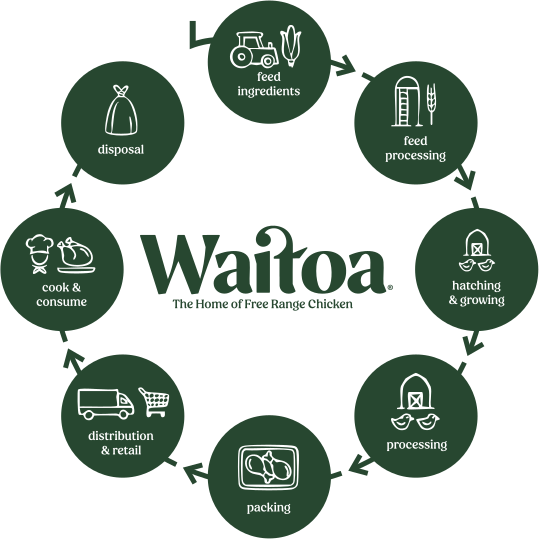
 

Every step of the net carbon zero journey matters

It’s not enough to focus merely on the way chickens are raised, or processed, or the transportation. Being truly sustainable means taking every aspect into account and our Toitū netcarbonzero certification does just that, measuring the impact, evaluating what’s best to reduce it, then implementing and tracking the improvement. It also extends to the suppliers we work with, ensuring their practices meet our standards and partnering with them to improve their sustainability. Our approach to sustainability is holistic, because nothing less is good enough.
sustainability_diagram-1

Being sustainable pays off

Using less water, energy and other resources is the right thing to do. Sound environmental practices mean we’re creating a more sustainable future for generations to come.
sustainability_diagram-2
REDUCING OUR FOOTPRINT

The circle of sustainability

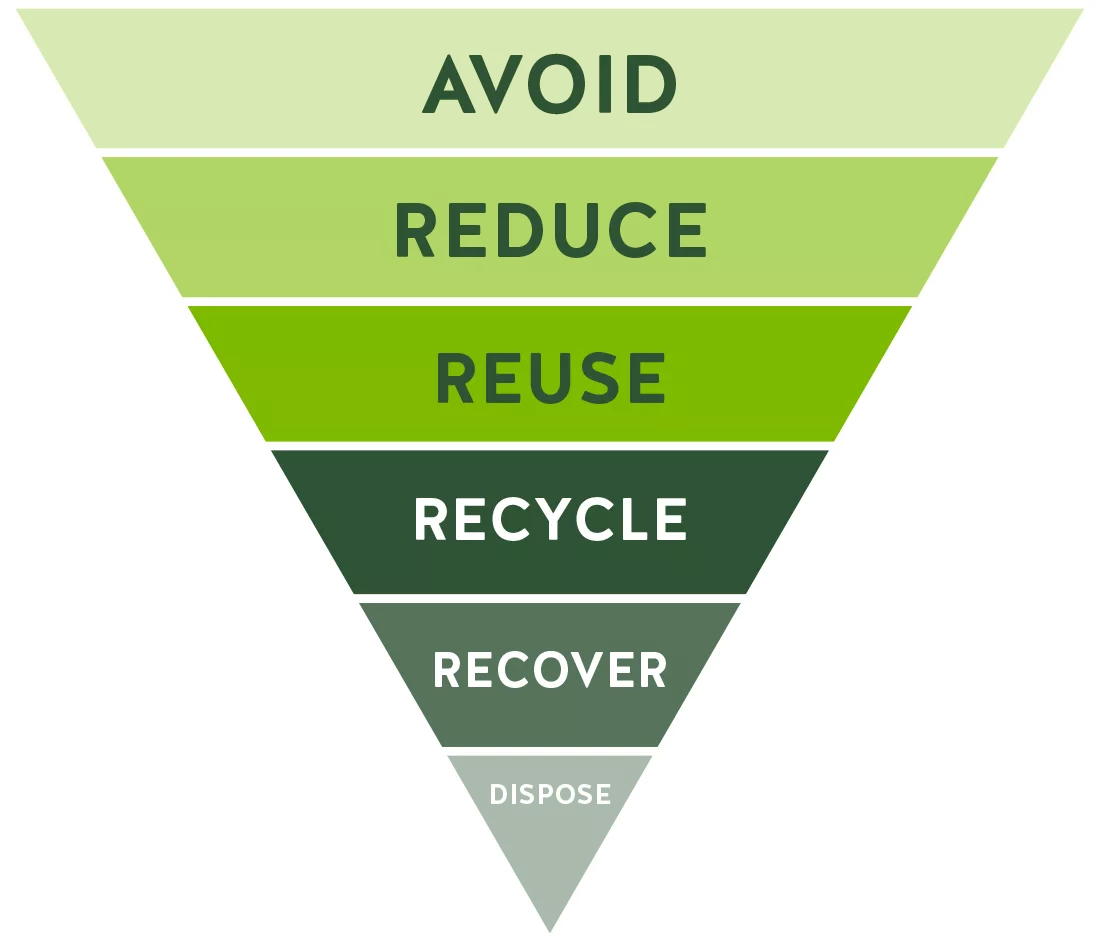
We believe every resource deserves a second chance. That's why we follow a six-step approach to reducing our footprint: avoid, reduce, reuse, recycle, recover, and only then dispose. From capturing waste heat in our processing plant, to using treated wastewater for on-site cleaning and sharing it with local farms for irrigation, we're always finding new ways to keep resources working. Byproducts that might otherwise be wasted go to pet food and rendering instead. When disposal is the only option, we're already asking ourselves how we might change that in future.
REDUCING WASTE

90% Diverted. And Counting.

By separating our waste effectively, we divert over 90% of what would otherwise go to landfill, sending it to be reused or recycled instead. We monitor our landfill waste closely throughout the year and set new targets annually to keep improving.

There’s still a way to go

However much we have achieved, however much we are doing now, there’s always more we can do on our path to improving sustainability. It’s hugely rewarding to keep finding ways we can reduce an impact here or make something more efficient there. And the ultimate reward is knowing we’re always doing better by the planet.

Water is a precious resource

Fresh water is vital to everything we do, and we recognise our responsibility to protect it. Our local Waitoa River flows to the Kopuatai Peat Dome and the Firth of Thames—two Ramsar wetlands, meaning they're internationally recognised for the wildlife and ecosystems they support. Protecting these places and the water that flows around us is an important part of how we operate.
WATER

Looking after the water around us

Taking care of the water starts with taking care of the land around us. We have helped to restore native bush including waterside planting. This gives the best protection possible from run-off, sedimentation or other sources of contamination that might get into the waterways. At our main site we source water from our own bore, reducing our demand on the town’s water supply. We have installed a recovery system that captures the water’s geothermal heat to preheat the water used for cleaning, reducing our energy consumption.

Connected Waters: Our Stewardship commitment

Connected waterways mean shared responsibility. We're committed to caring for our catchment area and proactively managing both our water usage and wastewater treatment. By tracking our water efficiency, we hold ourselves accountable and keep raising the bar.
sustainability_image-water
PACKAGING

Food safety remains priority one

Throughout the food industry, safety has to be the number one priority at every stage, and it’s crucial to the way we do everything at Waitoa. Plastic plays a key role in keeping the chicken fresh and reducing food waste. Our aim is to use it where it makes sense and educate people on their role. We're always looking for ways to improve.

A key target

We’ve set ourselves a target of 100% reusable, recyclable or home-compostable packaging by 2025. We’ve already achieved over 90% and the push is on to reach our goal. We’re also targeting 50% of our packaging to come from recycled content by the same date, a figure that currently sits at just over 25%.
 

Exemplary stewardship

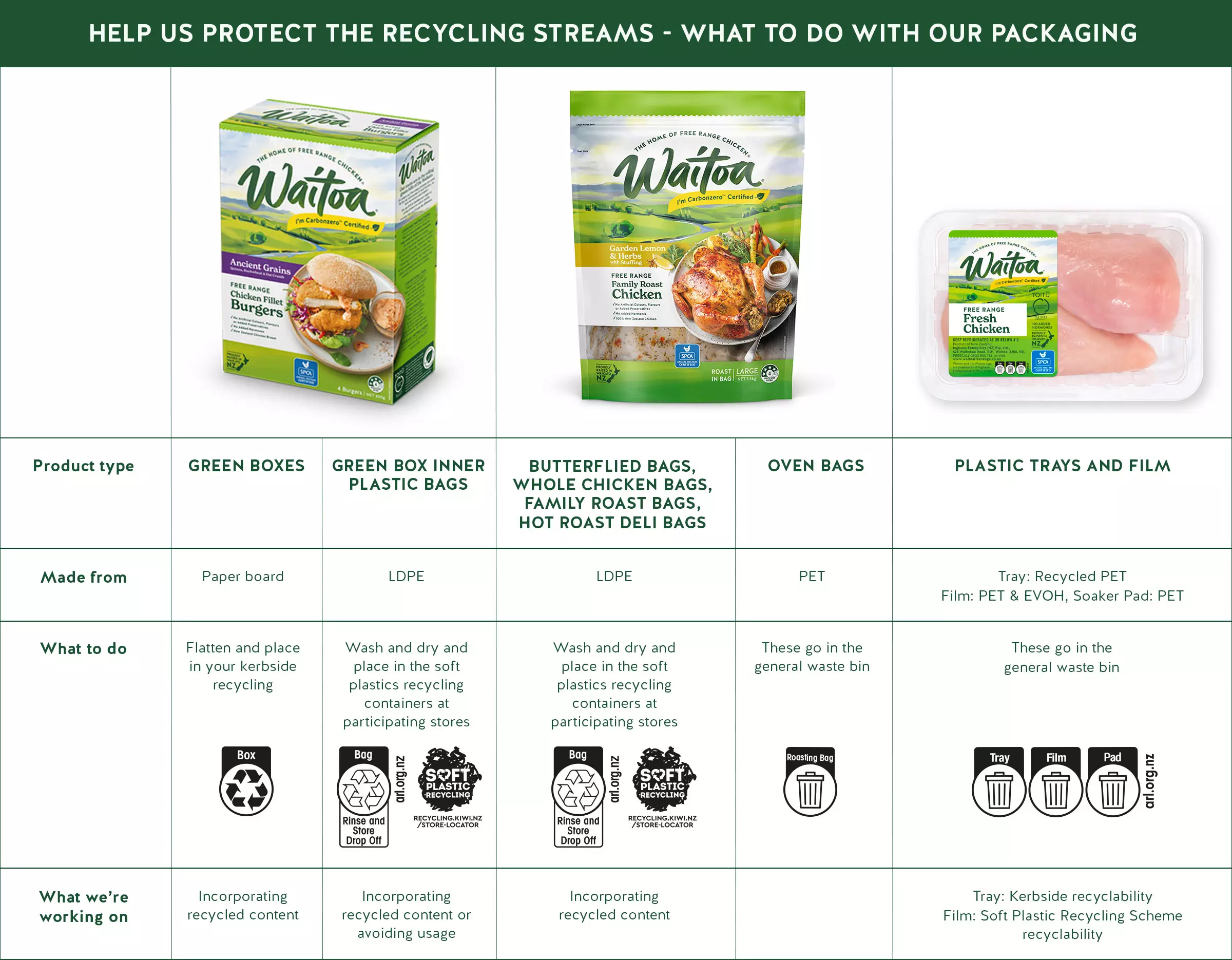
We use every tool available in our stewardship of waste and plastics. Our packs feature the Australasian Recycling Label (ARL) to help you understand how to recycle our packaging. We're committed to meeting or exceeding the standards set by the Waste Minimisation Act, including the rules around product stewardship.
crosscross-circle